
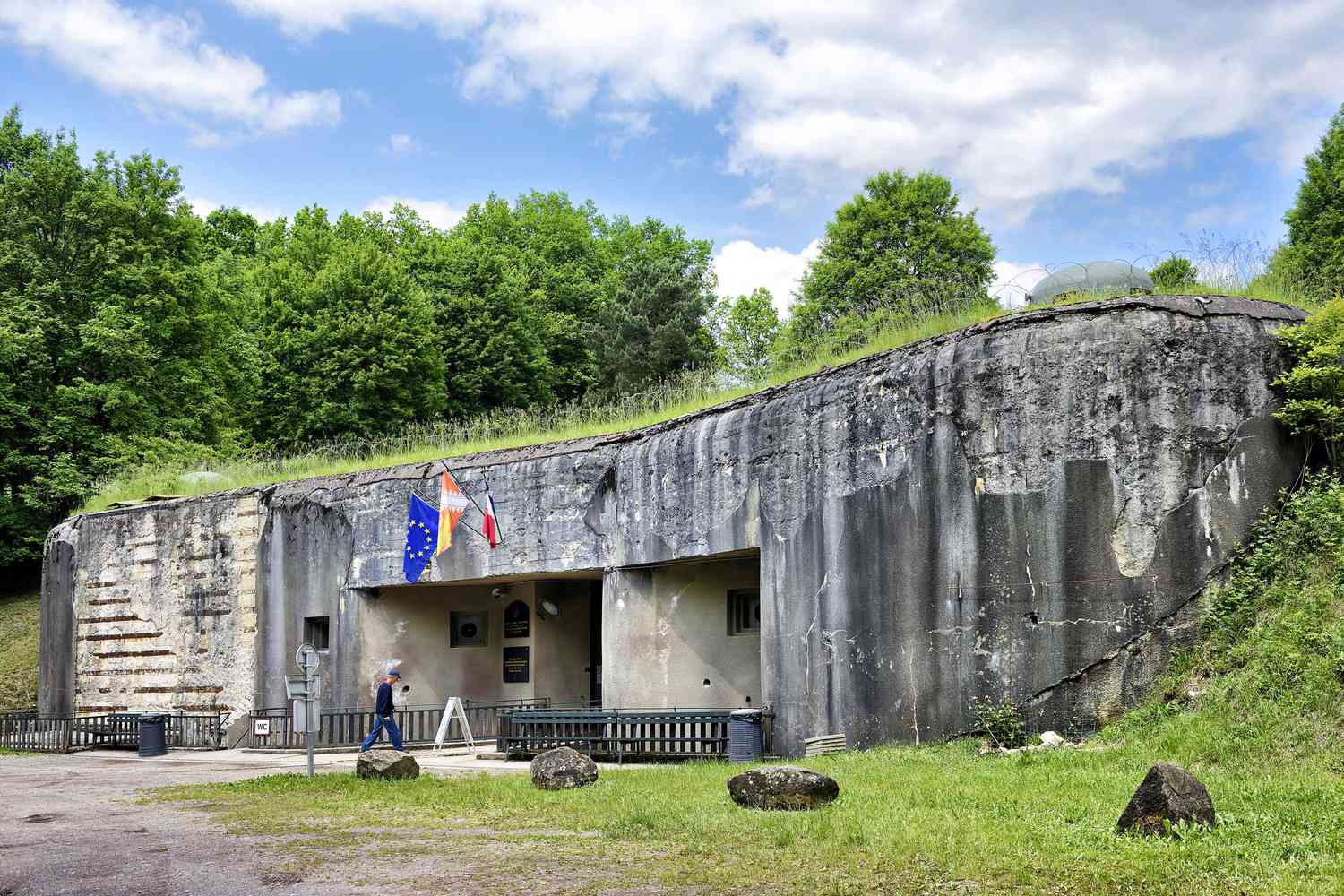
In today’s dynamic environment amidst the blistering pace of technological shifts, explosion of data and a turbulent economic environment writing an annual marketing plan might seem like building the Maginot Line – irrelevant and obsolete.
The classical marketing plan prescribes an in-depth business and situational analysis and a detailed tactical plan with specific recommendations and action plans. This format is completely unsuited to today’s impatient times. So, do we throw the baby out with the bathwater, get rid of marketing plans all together?
A marketing plan brings together business goals, strategy and tactics. It helps secure resources and rally the organization. So how can we reinvent the marketing plan? And make it more relevant and useful in this era?
Be Brief. (with apologies to Shakespeare) Brevity is also the soul of a good marketing plan. Annual marketing plans with hundreds of slides and annexures can become the corporate version of Dicken’s Great Expectations nobody asked for. Keep your marketing plan limited to about 20 slides that you should be able to provide a walk through in a forty-five-minute discussion.
See Far. In most organizations today making constant changes feels like making progress, measurement is hyper focused on the short-term and words like ‘agile’ and ‘pivot’ mask the lack of coordination and the absence of a larger view. In writing your marketing plan analyze long-term impact of initiatives and reflect on the net business results for your organization, business partners and team morale.
Marketing Is Business. The purpose of marketing is to create a customer, profitably. A good marketing plan talks about business goals like revenue, costs and profits and straddles all the 4 Ps. The 7-levers of profitability is a useful framework to distill core profit drivers; find new users, find new usage, increase usage, win from competitors, improve pricing, reduce costs – variable and / or fixed. Use these to frame your marketing problem. In The CEO Factory, Sudhir Sitapati writes how the jobs-to-be-done process is the HUL way of framing and structuring problems. Consider this example, ‘get rural users of Clinic Plus shampoo to use it a bit more often.’ Here a business problem has been framed simply in consumer terms, it uses the profit framework without any mumbo-jumbo and holds the potential to mobilize the organization and generate a host of strategic alternatives.
Fast Technology, Slow People. While technology evolves exponentially, humans adopt in a more linear pace. Everything new has a small group of early adopters and increasing adoption by the lagging majority takes time, effort and resources. Be cognizant of this when planning new initiatives, including introduction of software systems or processes e.g. deploying new ordering software for your sales team.
A Compass And Not A Rail Track. It’s useful to think about the marketing plan as a compass; offering direction and not dictating a rigid path like a railway tracks. As you pull it together and start executing, analyze performance to adjust your tactics and don’t forget to share updates with internal stakeholders. In delivering your annual goals, your strategic initiatives might not change significantly but tactics deployed might need adjustments based on results of your execution.
A marketing plan that combines strategic focus with tactical agility helps rally the team to deliver business results and long-term sustainable growth. The Maginot Line wasn’t wanting in strength but in adaptability. Your annual marketing plan will be no Maginot Line, once you find the sweet spot between the rigor of classical marketers and the nimbleness demanded in today’s times.
First Published in BW BusinessWorld here.



 thirtymlmusings
Leave a comment